The Battle for Custody Welfare vs. Financial Status
Understanding the "Welfare of the Minor" in Pakistani Family Law
Category: Family Matters
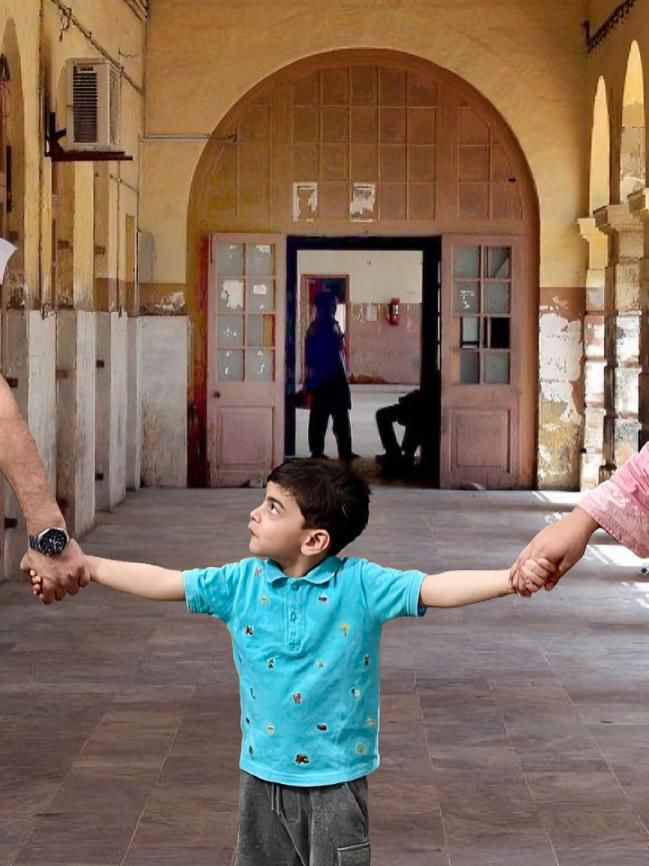
A married couple, Sarah and Ahmed, ended their marriage after ten years. They have two children: a 9-year-old son and a 6-year-old daughter. After the divorce, the children stayed with their mother. However, Ahmed (the father) filed a case in the Family Court to take full custody. His main reasons were: • He earns significantly more money and can provide a "luxurious" lifestyle and private schooling. • Sarah is a primary school teacher with a modest income. • Ahmed claimed that Sarah might remarry, which he argued would be "harmful" to the children’s environment. On the other hand, Sarah argued that the children are emotionally attached to her and that she has been their primary caregiver since birth. The Core Legal Issues In cases like this, Pakistani courts don't just look at who has more money. They focus on three main pillars: 1. Hizanat (Right of Custody): Under Islamic law and Pakistani precedents, the mother usually keeps custody of a son until age 7 and a daughter until she reaches puberty. However, the court can extend this if it’s better for the child. 2. Financial Capability: The law is clear—the father is legally bound to pay for the children's expenses (maintenance) even if they live with the mother. Therefore, being "richer" isn't a shortcut to winning custody. 3. The Welfare Principle: This is the most important factor. The judge asks: "Where will the child be mentally, physically, and religiously safer and happier?" The Likely Outcome In a modern legal setting, the court’s decision would likely look like this: • Custody remains with the Mother: Because the daughter is young and the son is well-settled with her, the court usually prefers stability over a bigger house. • Father’s Responsibility: The court would order Ahmed to pay a fixed monthly amount for school fees, clothes, and food. He cannot refuse to pay just because he doesn't have custody. • Visitation Rights: To ensure the children don't lose their father, the court would set a schedule (e.g., every 1st and 3rd weekend of the month) for the children to spend time with Ahmed. The Takeaway for Clients "Money provides comfort, but the court seeks character and care." In Pakistani Family Law, a mother’s limited income is rarely a reason to lose her children, as long as the father is alive and able to fulfill his financial duty to them.